
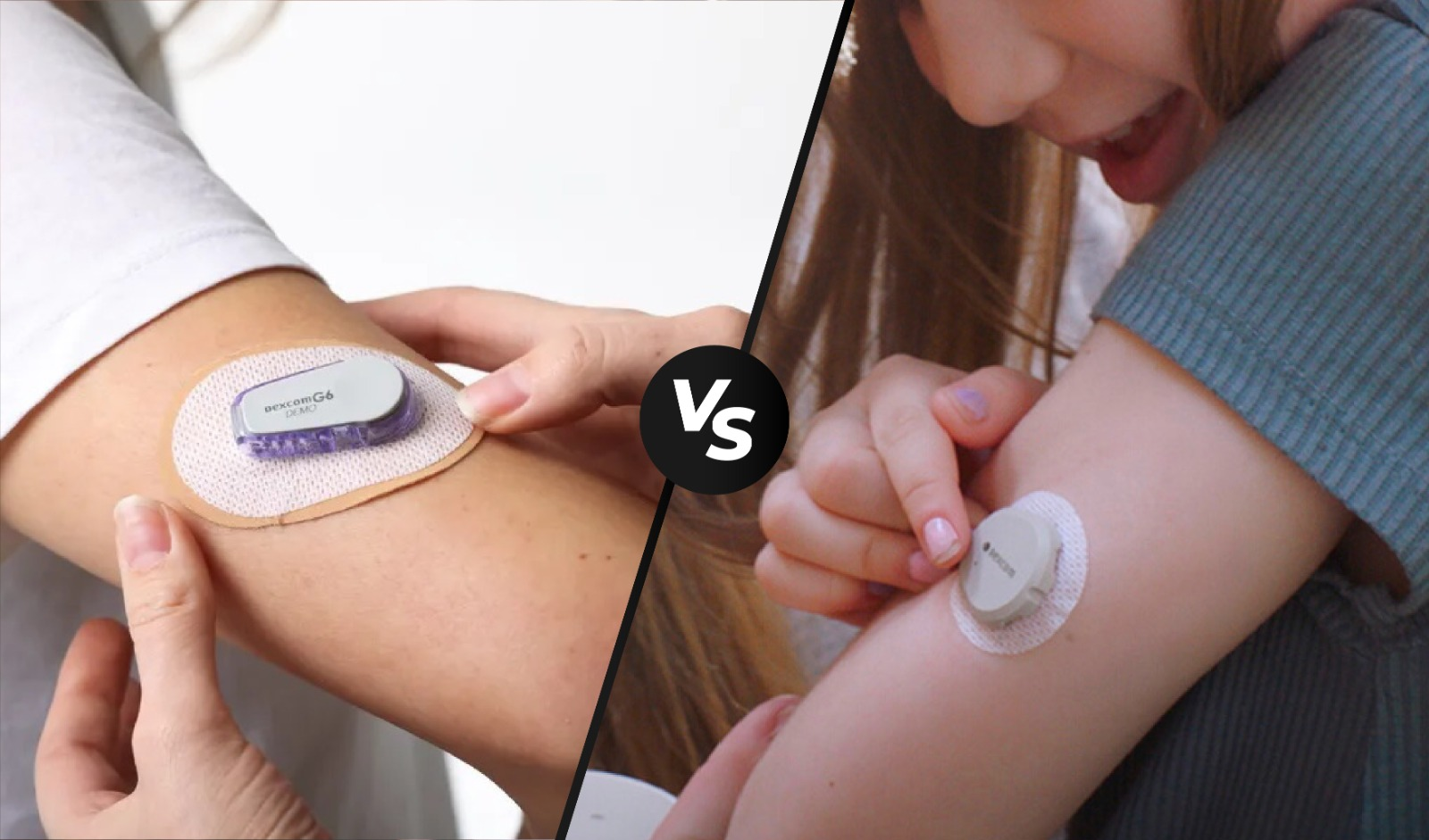
Dexcom G6 vs G7: Key Differences Explained

The selection of the appropriate CGM is a critical choice. Due to the availability of the Dexcom G7, a lot of users are doubting whether it is time to switch off the trusted Dexcom G6. This guide discusses the differences between the two potent systems to nourish your health and life.

Dexcom G6 vs G7 Overview, What Changed In The Latest CGM

Replacement of the old generation with the new one is a huge advancement in medical technology. Although it was well-designed, the new product is aimed at a more compact, one product, experience making the device, as well as the digital app, easier to manage in day-to-day life.

Key feature upgrades in Dexcom G7

The most evident enhancement is the sensor and transmitter design that is fully integrated. Moreover, the time used in warming up is minimized tremendously and users can view data almost instantly once it is applied.

‣ Who should consider upgrading from G6 to G7

Individuals who prioritize discretion and speed will find the upgrade highly beneficial. If you find the older system cumbersome, the smaller profile offers a much more comfortable daily wear experience.

‣ Fast Facts For First-Time CGM Buyers

New users should know that these devices provide real-time readings every five minutes. This continuous stream of data helps prevent dangerous highs and lows without fingersticks.

Quick comparison table, Dexcom G6 vs Dexcom G7

The overall comparison of the two devices as compared to each other shows that the maker has been keen on the patient experience by ensuring that the devices have been miniaturized and are efficient. Two systems have high accuracy rates but their physical architecture is quite different. Understanding these structural variations is the first step in deciding which model from DirectMed Delivery will integrate most seamlessly into your routine.

‣ Sensor size, wear time, and warmup compared

The Dexcom G7 sensor size is roughly sixty percent smaller than its predecessor. While both offer a ten-day period, the newer version includes a twelve-hour Dexcom G7 wear time grace period.

‣ Accuracy metrics and real-time data performance

Both systems provide exceptional data performance, but the newer model boasts a better score. This ensures real-time data is close to laboratory results, offering greater peace of mind for insulin dosing.

Calibration requirements explained

The first advantage is that no daily fingerstick calibration is needed in both systems. You can however manually calibrate in case you are feeling that your sensor readings are not correlating with your symptoms.

Which is more accurate, Dexcom G6 or G7

The most important aspect in choosing a medical device is its accuracy. In a comparative analysis of Dexcom G6 vs G7, clinical trials indicate that the two are very reliable. Nevertheless, the advanced algorithms of the G7 provide a high level of accuracy especially in lower levels of glucose where hypoglycemia identification is crucial to safety.

Understanding MARD and clinical accuracy data

The Dexcom G7 accuracy MARD is one of the lowest in the industry at 8.2 percent. This lower percentage indicates a higher level of accuracy, reflecting how accurate is Dexcom G7 during clinical use.

‣ Real-world accuracy based on user feedback

Many long-term users of the Dexcom G6 report that the newer version responds faster to rapid changes. This responsiveness is helpful after meals or during exercise when blood sugar levels shift quickly.

‣ How sensor placement affects glucose readings

Consistency in readings often depends on where the device is applied on the body. While the abdomen is common, the back of the upper arm is now the preferred site.

Sensor design and comfort differences

The physical feeling of wearing a medical device 24/7 is a major consideration for patient compliance. DirectMed Delivery understands that a bulky sensor can be a deterrent, especially for those with sensitive skin. The evolution of the hardware focuses on making the technology feel almost invisible.

‣ Size and profile comparison for daily wear

The Dexcom G6 will need an additional transmitter, which makes the skin profile taller. Conversely, the newer one is a single and low profile model that fits flatter eliminating the possibility of catching onto clothes.

‣ Adhesive quality and skin sensitivity tips

The sticker on the latest model has been reworked in such a way that it is more breathable yet still very strong. In case you have a sensitive skin barrier films are used to make sure that the device is firmly stuck and it does not cause discomfort.

Dexcom G6 vs G7 app features and connectivity

It is the integration of software in the modern management of diabetes. The two generations are also using advanced mobile applications but the Dexcom G7 application has been redesigned fully to be faster and more intuitive. It brings together functionalities such as Dexcom Clarity into the main screen, such that you view your 24-hour trends and Time-in-Range reports without having to jump between several applications.

iPhone, Android, and smartwatch compatibility

Broad compatibility is a hallmark of the brand, with extensive Dexcom G7 iPhone compatibility and Dexcom G7 Android compatibility. Checking levels via Dexcom smartwatch compatibility allows for monitoring your health during any daily activity.

Dexcom Follow and Share features compared

The Dexcom Follow app features remain a vital tool for caregivers, allowing remote monitoring. Whether using the older or newer system, sharing data with ten followers ensures a safety net is always in place.

Does Dexcom G7 require a separate transmitter

A significant change is that the Dexcom G7 transmitter vs G6 is integrated directly into the sensor. This means you no longer have to keep track of a separate, reusable transmitter component.

Alerts and notifications, which system is smarter

The main objective of any CGM is safety and the alert system is the mouthpiece of the device. The newer one is more customizable, as a user can silence all the alerts of a certain time or establish more subtle notification sounds. This will ensure that the device becomes easier to use in a working or noisy atmosphere without choosing to forgo the required safety notices.

‣ Low, high, and urgent low soon alerts explained

Both systems have predictive alerts that will give you warning against serious events. The Urgent Low Soon alert especially comes in handy as it gives a twenty minutes warning before the level becomes dangerous and would then have time to avoid hypoglycemic attacks.

‣ Custom alert settings for better glucose control

The user can customize his experience by setting the parameters of high and low notifications. As an example, you can establish your thresholds of day and night to have a better sleep and alertness management of your daily care.

Cost comparison in the United States

The most stressful part of diabetes management is frequently the financial part of the process, which involves medical supplies. Discussing the cost of the Dexcom G6 vs G7, the monthly expense in the overall amount with sensors and transmitters needs to be considered. DirectMed Delivery is involved in trying to explain these costs to help our patients not to get shocked when they receive the bill.

‣ Monthly cost of Dexcom G6 vs G7 sensors

Generally, the cost of newer sensors is comparable to the combined cost of older components. Since the transmitter is built-in, you purchase one item, which simplifies the medical supply ordering process for the end user.

‣ Insurance coverage, Medicare, and copay expectations

Most major insurance plans, including Medicare, have expanded their coverage to include both generations. However, specific copays vary by plan. It is always wise to verify coverage to see if you can I switch from Dexcom G6 to G7.

Where to buy Dexcom sensors in the USA

Your supplies can be learned from specialized medical distributors or retail pharmacies. Selecting a partner that is trustworthy such as DirectMed Delivery will make sure your supplies are received on time and will provide you with the support that you need.

Pros and cons, Dexcom G6 vs Dexcom G7

Each medical device is relative to its advantages and disadvantages, and what would be the best device to use by one individual may not be the best intended to be used by another. Some of the advantages and disadvantages of the Dexcom G7 include considering the level of ease of use and the ability to function with the older insulin pumps. The objective assessment of these factors can contribute to the objective decision that would be in line with your particular health objectives.

Biggest advantages of the G7 upgrade

The most significant benefits include the vastly improved Dexcom G6 vs G7 warm up time and the smaller footprint. Additionally, the simplified app interface and twelve-hour grace period make daily diabetes management feel less interrupted.

Situations where G6 may still be the better choice

Despite the advancements, the Dexcom G6 is still worth it for those who use automated insulin delivery systems not yet integrated with the G7. If your pump requires the older sensor for “closed-loop” mode, staying is essential.

Common complaints reported by users

Users have reported that the range of the Bluetooth of the newer integrated units may not be as long as the standalone transmitters. Some others at times speak of the adhesive patch size being smaller and needing more attention in their usage.

Dexcom G6 vs G7 for type 1 and type 2 diabetes

In both type 1 and type 2 diabetes, Dexcom G6 and G7 can be used to provide valuable information to enhance A1c and time in range. Adults tend to choose the G7 due to its simplicity and the design of a one-unit portable computer.

The smaller less obtrusive sensor of the G7 will work to the advantage of the children and teens, and the easier application will go to the seniors. Clinicians tend to prescribe the most recent technology with accuracy and ease of use being the main factors of ensuring consistency in wearing.

Should you upgrade now or wait

The upgrade to the Dexcom G7 or not will depend on your requirements and existing system. Unless your existing device is malfunctioning, and it is compatible with your pump, then you might not even feel like changing. Always consult your doctor about compatibility and insurance requirements.

The End Note!

To conclude, the Dexcom G6 and G7 systems both provide life-changing technology to diabetics. Although it is a solid and stable workhorse in integrating a pump, the G7 is the future of wearable medical devices due to its small size and quick warmup. It is possible to guarantee that you will always have access to the latest tools and the professional advice required to take full control and independence over your health by collaborating with an established provider, such as DirectMed Delivery.

Frequently Asked Questions

Can I switch easily?

Yes, switch easily with a new doctor’s prescription. Always check insulin pump compatibility before starting at DirectMed Delivery for sensors.

Does G7 need calibration?

While factory-calibrated, manual entry is allowed. Only if readings don’t match your physical symptoms.

Is the G7 sensor small?

The Dexcom G7 sensor size is 60% smaller than G6, making it extremely discreet and comfortable under any clothing style.

Who should upgrade now?

Anyone not using a non-compatible pump should upgrade. It is the smallest continuous glucose monitor with a 30-minute warmup time.

Is G6 still supported?

Yes, DirectMed Delivery continues to support Dexcom G6 users. It remains a reliable choice for integrated insulin pump systems today.
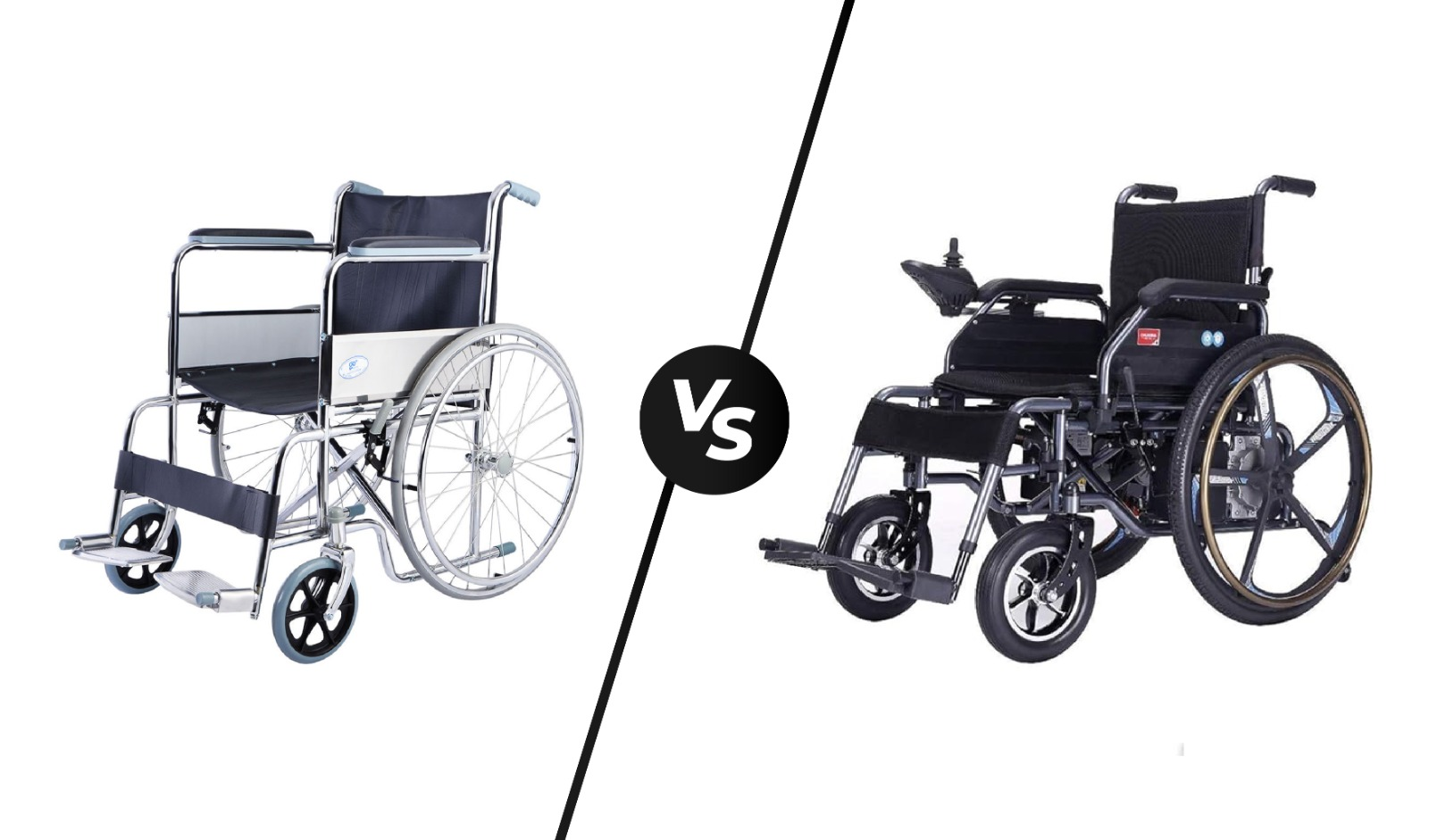
Manual Wheelchair vs Electric Wheelchair: Which One Is Better?

The correct mobility device is more than a means to move about, but also independence, comfort, and way of life. Wheelchairs made manually or powered by electricity have their own advantages. The DirectMed Delivery guide divides effort, cost, and daily use to assist a first-time buyer, caregiver and seniors to select the wheelchair that fits their body and life.

Understanding the Basics – Two Wheels, Two Worlds

The only way to know the head to head clash between a Manual Wheelchair vs the Electric Wheelchair is first to know the DNA of each equipment. They both pursue the same objective, which is mobility, in a completely different philosophy.

What Is a Manual Wheelchair?

The manual wheelchair is a human powered mobility aid that is pushed by the human being using hand rims or propelled by a caretaker. It is mobile, easy, and physically involved to move around.

‣ How It Works

The user moves forward with upper body strength by use of a system comprising of two large rear wheels and two pivotal front casters. The mechanic is very simple, therefore, there is not much that can go wrong.

‣ Who Commonly Uses It?

It is the gold standard device that should be used by those possessing good upper body strength, those with temporary injuries, or those living an active lifestyle. It is also the option of preference by people who would like to remain physically active.

Types of Manual Wheelchairs (Standard, Lightweight, Sports)

Manual chairs are not all equal. Normal hospital type chairs are bulky and unwieldy. Travel lightweight manual wheelchairs are however designed using aluminum or titanium, and thus they are easy to move in a car. There are also rigid-frame sports chairs that can be used by the athlete, whether in basketball or tennis.

What Is an Electric (Power) Wheelchair?

An electric wheelchair is a battery-powered mobility aid that does not require any manual movement to operate and is utilized by individuals with low levels of strength to move freely, securely and effectively across different distances.

‣ How It Operates

Wheelchairs are electrically powered using a small motor. The speed and direction are controlled with a joystick, Sip and puff device, or head array to allow easy movement.

‣ Key Components (Motor, Battery, Joystick Control)

The deep-cycle and motor battery drive movement and the joystick or control interface translate delicate user movement to the vehicle, and this makes the daily movement and precise and independent control of the wheelchair.

Types of Power Wheelchairs (Travel, Heavy-Duty, Standing Models)

Nowadays, electric wheelchairs of small apartments where you can fold it like a suitcase; or electric wheelchairs with bariatric features and capacities up to 100 kg are available. Even the luxurious ones have standing features that take the user to the eye level.

The Power Showdown – Effort vs Automation

Energy output is the fundamental distinction when comparing the Manual Wheelchair and the Electric Wheelchair dynamic.

Physical Effort & Energy Use

Manual wheelchairs are also very demanding of the upper body, using triceps and deltoids as well as grip. Electric wheelchairs are energy efficient, which eliminates fatigue and strain, which is suitable when it is necessary to cover a distance or when one is of a low strength.

‣ Upper Body Strength Requirements

A manual wheelchair is a physical exercise. It needs triceps, delt and grip strength. This is tiring to a person going through surgery. But to a young paraplegic, this exercise is necessary to keep the muscles and cardiovascular fit.

‣ Fatigue Over Long Distances

It is here that the electric alternative prevails. Using a manual chair to move through shopping mall or a university campus may cause a lot of shoulder fatigue and repetitive strain injury. An electric chair will be your friend, in case you want to save some energy to work or socialize.

Speed & Mobility Range

Manual wheelchairs are better in indoors tight maneuvering, whereas electric wheelchairs are better in outdoor performance, superior in hills navigation and range of travel as they are powered by batteries rather than human stamina.

‣ Indoor Maneuverability

A small manual wheelchair will be better in a tight bathroom or tight kitchen. The turning radius of the electric chairs is wider. This gap is however becoming a lot smaller with the modern front-wheel-drive electric models.

‣ Outdoor Terrain Performance

In case you stay in a place with high driveways you must have the best wheelchair in hilly areas. As a rule, a strong electric wheelchair with the center wheel drive moves more efficiently over the incline, compared with the manual chair, which demands tremendous physical efforts to overcome the ramp.

Battery Life vs Human Endurance

A manual chair can be propelled by a human till he is physically exhausted. An electric chair is powered to the battery death. The electric wheelchair that has the highest battery life will cover a range of 20-25 miles per charge.

Comfort, Customization & Daily Living

All wheelchairs vary in their comfort and posture support and effects on lifestyle. Manual chairs are light and can be transported and electric chairs have powered conveniences, tilt functions and easy movement over a long distance and daytime autonomy.

Seating & Posture Support

Recline, tilt and wheelchair cushion features are used to promote posture and avoid pressure ulcers. Electric chairs can be powered to make adjustments whereas manual chairs depend on the repositioning of the user to make them comfortable.

‣ Cushioning Options

These two chairs have gel, foam cushions or air cushions. Nevertheless, Manual Wheelchair users are usually in need of specialty pressure-relief cushions to avoid sores because they are in a sitting position longer than powered reclining.

‣ Recline & Tilt Features

Benefits of the manual wheelchair as an everyday use wheelchair include ease but they do not provide powered recline. Tilt-in-space functionality is also common to electric chairs, but is important to people who are unable to move their own weight forward.

Independence & Lifestyle Impact

Manual chairs promote physical workouts and mobility, but on the other hand, electric wheelchairs offer effortless movement, increased travelling range and increased autonomy to individuals who have some weakness or endurance.

‣ Traveling with a Wheelchair


As a globetrotter, your best friend is a lightweight folding manual wheelchair that can be used when traveling. It fits on top bins (on bigger planes) or trunks. Electric wheelchairs, especially the ones that cannot remove their batteries, must be handled special by the airline, and they can be deducted in your baggage allowance.

‣ Storage & Portability

Directmed delivery frequently informs the customer that without a ramp or a van, it is easier to deal with a manual chair. Moving a 40-pound manual chair is not difficult, but moving a 150-pound power chair is not possible without a vehicle lift.

‣ Home Accessibility Considerations

Do you need to navigate thick carpet? Electric. Do you have hardwood floors and level thresholds? The manual works beautifully.

Cost Comparison – Budget Today vs Investment Tomorrow

The question of Manual vs electric wheelchair cost comparison is often the deciding factor.

Initial Purchase Cost

A lower cost manual wheelchair that suits elderly in the USA falls at less than 200 dollars. The simplest and low-quality electric wheelchair costs approximately 1500-15000 dollars and in no time goes up to 15000-150000 dollars in buying higher models programmed to drive like a car.

‣ Insurance & Funding Options

Medicare Part B typically covers 80% of the cost for either chair, provided you meet the medical necessity criteria. For those without insurance, Electric wheelchair grants and funding options are available through organizations like the ALS Association or Muscular Dystrophy Association. DirectMed Delivery can assist in verifying your insurance benefits to maximize coverage.

‣ Long-Term Value

Although the manual chairs are cheaper in the short term, they are not the cheapest in the long-term. Manual propulsion causes repetitive strain that may result in rotator cuff surgeries which are tens of thousands of dollars. An electric chair, which is very costly, in this respect is preventative healthcare.

Maintenance & Repair Expenses

Manual wheel chairs do not take much care such as having tires repaired, but electric chairs need care of batteries, motor service and sometimes the assistance of techno, which makes them very expensive in the long run.

‣ Battery Replacement Costs

Maintenance of the electric wheelchair needs care. Batteries have a lifespan of 1-2 years and are priced at 100-300 to have them replaced.

‣ Mechanical Repairs & Servicing

A manual wheelchair can get a flat tire that can be patched with a patch kit costing five dollars. The electric wheelchair presupposes special diagnostic computers and certified technicians.

Safety & Reliability – What You Need to Know

Stability & Balance

  • Manual Wheelchair users are taught how to lift up a wheelie in order to manoeuvre through curbs, which comes with a danger of tipping over. Anti-tipping wheels are installed on electric chairs, but the user should beware of potholes.
  • When you stop rolling, so do the manual chairs. The automatic electromagnetic brakes that are set in electric chairs activate the second time you release the joystick.

Durability & Longevity

‣ Frame Materials

Specially designed manual wheelchairs, which conform to a person’s requirements, are frequently made of titanium of aerospace quality. Electric wheelchairs focus on the use of steel as a weight-bearing ideal.

‣ Weather Resistance

There are both types of durable wheelchairs used outdoors, but extreme cold consumes the electric batteries.

Pros & Cons at a Glance

Manual Wheelchair – Advantages & Drawbacks

Advantages of manual wheelchairs for daily use:

  • Lightweight and portable
  • No battery anxiety
  • Lower initial investment
  • Provides cardiovascular exercise

Manual wheelchair pros and cons list wouldn’t be complete without mentioning the strain on shoulders and the difficulty of navigating steep inclines.

Electric Wheelchair – Advantages & Drawbacks

Electric wheelchair benefits:

  • Independence for those with no upper body movement
  • Smooth, consistent speed
  • Advanced seating functions

Do electric wheelchairs justify the price? Yes, in case you have to save some energy and move safely outdoors. They are however heavy and also need a lot of maintenance.

Who Should Choose What? A Decision Guide

The choice of manual and electric wheelchairs is subject to certain situations.

Best for Active & Short-Distance Users

Manual wheelchairs are suitable in the cases of active people and sports lovers. Light models are convenient to handle and carry and back pressure on the chair by the caregivers is less to the back.

Ideal for Limited Strength or Long-Distance Mobility

Electric wheelchairs can be utilized with seniors or people with little strength. They enhance physical activity, eliminate exhaustion, make it safe to travel over long distances, promote self-sufficiency, and reduce the chances of breathlessness or accidents.

Medical Conditions That Influence the Choice

Strength and endurance is impacted by arthritis, spinal cord injuries or neuromuscular disorders. Manual wheelchairs can be a strain on the joints whereas electric wheelchairs save energy and increase daily independence.

‣ Arthritis & Joint Pain

Arthritic or inflamed hands that are used in rim propulsion can be very painful in the long run. The electric wheelchair joystick uses the minimum amount of grip strength therefore relieves the strain on the joints and eliminates the pain experienced during the day.

At DirectMed Delivery, we direct you to the correct fit, to mobility aids as well as all necessary knee braces, which bring freedom, dignity, and confidence with each delivery.

‣ Spinal Cord Injuries

Patients that have sustained C5-C6 spinal cord injuries can still have some movement of the arms but have weak hands. Whereas manual chairs that have rim projections may be effective, electric ones are more independent.

Neuromuscular Disorders

In such cases as MS or ALS, where the weakness and exhaustion of muscles constantly increase, it is critical not to waste physical energy. A wheel chair is an electric chair that will allow one to maintain strength in important daily tasks.

Expert Tips Before You Buy

  • Is my diagnosis that I shall be growing stronger or weaker?
  • Will a Manual Wheelchair damage my joints in my condition?

Testing Before Purchasing

You wouldn’t buy a car without a test drive. DirectMed Delivery encourages you to visit a showroom. Feel the weight of the frame. Try maneuvering through a mock doorway.

Trying Rental Options First

If you are on the fence, rent first. It allows you to experience what is the difference between manual and electric wheelchairs in your actual environment: your kitchen, your local park, your workplace.

The End Note!

It is, therefore, Manual Wheelchair vs Electric Wheelchair: Which Is Better? The most suitable option is the one, which suits your lifestyle. Whether to go Electric or Manual Wheelchair depends on whether you want to move around easily or move around and live a typical life.Trust DirectMed Delivery to help you move confidently and navigate life on your own terms.

FAQs

Is an electric wheelchair better than a manual wheelchair?
 
It is based on your strength, mobility requirements and lifestyle, with electric being less effort consuming, manual is cheap and portable at large.

How long does an electric wheelchair battery last?
 
Electric wheelchair batteries depending on terrain, weight and capacity, last between eight and fifteen miles on a single charge.

Are manual wheelchairs easier to travel with?
 
Indeed, compared to electric wheelchairs, manual ones are lighter, foldable, and can be transported in the trunk of a car and airplanes in general.

Which wheelchair is more affordable?
 
Manual wheelchairs are much cheaper at the initial purchase, but electric types are more expensive because of the motors, batteries and other sophisticated features.

Can I switch from a manual wheelchair to an electric one later?
 
Yes, a good percentage of users change with age either in mobility or physical strength and need to be assisted using some power at some point.

Types of Knee Braces Explained: Which One Is Right for You?

Your knees are marvelous mechanical constructions–complicated joints that support your weight, smoothen out a shock, and set you in motion. However, once injured, arthritis or other general wear and tears attack, then such basic and common things as walking becomes a task. Here comes the unsung savior of the joints: the knee brace. Yet when there are so many choices available in the market how do you pick? 

This is not a mere list, it is your final roadmap to the Knee Braces knowledge that will enable you to make an informed and confident choice as far as your mobility and pain reliever are concerned. And now it is time to immerse ourselves in the realm of support and get the ideal match. 

Understanding Knee Braces 

Knee braces are aids to support the function of a joint, relieve pain, prevent trauma, and recover by means of compression, alignment, and a controlled movement in the daily activity or sports usage in a safe manner. 

What Knee Braces Are and How They Work 

Knee braces can be considered as kind of external aids to your joint. They are not magic, and they are complex devices, which are meant to achieve stability, lessen pain, manage movement, and encourage healing. Fundamentally, they work by: 

  • Compression: Knee braces enhance blood delivery, assist in minimization of swelling and offer proprioceptive feedback that makes the body more aware of joint position, and improves the general control of movement.
  • Stabilization: Knee braces help injured structures by restricting side-to-side and twisting movements that might exacerbate strain or worsen symptoms during movement. 
  • Offloading: Redistributing pressure through offloading helps relieve some pressure off injured cartilage or arthritis-affected portions, relieving pain while improving comfort during weight-bearing activities such as walking.  
  • Immobilization: Post-operative knee braces offer immobility after knee surgery or trauma in order to promote healing while decreasing risks.

Common Reasons People Use Knee Braces 

The motives why people wear them are as diverse as the ones who wear them: 

  • Post-Surgical Recovery: ACL reconstruction, meniscus repair or other surgery Knee braces assist the recovery process following surgery by reducing the amount of harmful movement and encouraging a safe, controlled recovery process. 
  • Ligament Injuries: Braces are additional support to ACL, MCL, PCL or LCL sprains and tears and can help support damaged ligaments on a day to day basis and in physical therapy.
  • Knee brace: Knee braces are special orthoses that ease the pain of osteoarthritis through decreasing the stress on the joints, improving the position of the joints, and relieving the pain when standing or walking.
  • Patellofemoral Pain: Braces help in correcting the problem of tracking the knees in the runners and the kneecap by aligning the patella with better alignment and the decreased pressure during movement.
  • Prevention: Knee braces are worn by the players of contact or high-impact sports to minimize injury risk particularly after they have suffered knee injuries.
  • General Instability: Knee braces offer additional support and confidence-increasing mobility to joints that become weak or give way during movement due to weak or injured muscles, ligament damage or previous trauma, increasing overall movement ability and confidence overall. 

Overview of Different Types of Knee Braces 

The knee brace category is functional. Starting with lightweight sleeves up to heavyweight exoskeletons, there is a certain type of mission in each case. To start with, to realize these categories is the initial step towards your own “aha! moment. 

Types of Knee Braces Explained 

Types of knee braces include prophylaxis, functional, rehabilitative and unloader that provide varying degrees of support, flexibility and protection based on the risk of injury, severity of the condition and the physical activity to which the knee is subjected. 

Functional Knee Braces (ACL injuries, post-surgery) 

These are the prosthetic knee cushions of the unstable knees that are mostly custom-crafted or over-the-counter to address a specific ligament deficiency. Their construction incorporates both the rigid frames and the use of two hinges in order to eliminate the abnormal movements that cause injuries but allow a safe range of motions. They are the ones to resort to in athletes who have undergone an ACL reconstruction and those with permanent ligament instability. 

Prophylactic Knee Braces (sports injury prevention) 

These braces are popular with the football linemen and they are constructed to avert knee injuries in high-contact sports. They include hard side bars and are used to shield the medial collateral ligament (MCL) against the lateral blows. They are controversial with regard to their effectiveness in any athlete, however, they are standard in collision sports. 

Rehabilitative Knee Braces (post-injury recovery) 

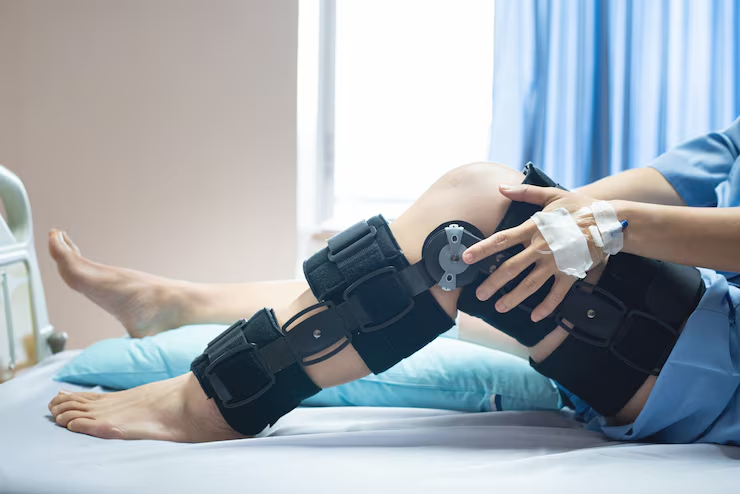
These braces are all about control and they are used mostly following surgery or after a major acute injury. They are made to stabilize the knee or simply act as a very restrictive factor towards the range of movement to cover healing structures. The doctor or surgeon will determine the maximum movement of the hinge, and as time goes on, it can be expanded. 

Unloader Knee Braces (arthritis and joint pain relief) 

An innovation to osteoarthritis patients. The design of these braces incorporates an advanced shoe of pads and straps to actually de-load or offload weight off the injured, painful compartment of the knee (typically, the inner one). They are also able to alleviate the strain on the arthritic region by several manners, therefore reducing pain and enhancing functionality, which can even slow down the surgical requirement. 

Hinged Knee Brace (stability for weak or injured knees) 

It is a flexible type of bridge that supports mobility. It is usually characterized by soft sleeves that have hard metallic or plastic hinges along the side. The design eliminates pernicious cross-way motion (such as buckling) whilst allowing benign forward and back movement. Hinged Knee Brace is suitable in the case of moderate ligament tear, arthritis, or stability after injury. To further enhance the dynamic one, a Dynamic Knee Brace can have flexible hinges or spring assisted design so that it adapts to your motion to provide responsive support during your activity. 

Compression Knee Sleeves (lightweight support for active users) 

The most popular and least complicated one. They are made of stretchy neoprene or nylon mixes, which offers mild compression, warmth, and proprioception. They are good to treat small aches, swelling, patellar tracking or to offer light support to the activity such as running or lifting weights. They fail to provide ligament injuries with structural stability. 

How to Choose the Right Knee Brace 

Before selecting an effective knee brace, several key criteria need to be taken into account, including injury type and support requirements; comfort level; level of activities performed and medical guidance to ensure maximum stabilization, mobility and long-term efficacy without undue risks. 

Key Factors to Consider (fit, material, comfort) 

The selection of the suitable brace depends on science and individual comfort. 

  • Fit: Paramount. A brace that does not fit well is useless and may also be detrimental. It must not be tight to cut off circulation.
  • Material: Neoprene is warm and compressive and is capable of retaining heat. Moisture-wicking fabrics are breathable and can be used well during sport or in hot weather.
  • Comfort and Design: Take into account the closure (straps vs. slip-on), weight and profile under clothes. Will you wear it on a daily basis or on a running basis only? 

How to Measure Your Knee Correctly 

Take a flexible measure!

  1. Circumference: Measuring the circumference around the midpoint of your kneecap is the measurement of most braces.
  1. above and below: Measure too 6 inches above the point of your knee and 6 inches below. Compare them with the size chart of the manufacturer–they are frequently more so than the knee itself. 

Best Knee Braces for Specific Conditions 

  • ACL Injury / Post-Op: A hinged knee brace that is both functional and/or prescription with adjustable range-of-motion can be used to stabilize the knee, provide protection to healing ligaments, and assist in safe rehabilitation.
  • MCL Sprain: A Hinged Knee Brace is used to assist in preventing bending to the side to offer additional side-to-side support, but still allow the patient to move reliably during the healing process and during everyday activities.
  • Arthritis (Unicompartmental): It is an unloader brace, which shifts the pressure off the affected joint compartment and relieves the pain and enhances mobility as a non-surgical treatment method.
  • Patellofemoral Pain: A compression band with a patellar gel ring or open patella structure assists in keeping the knee cap in the right position and decreasing the load of the movement.
  • General Activity and Light Pain: A lightweight compression makes mild support and enhances blood flow and supports minor discomfort during normal activities or minor exercise. 

When to Consult a Doctor or Get a Prescription 

Self-care has limits. See a physician or an orthopedist in case: 

  • It is serious pain or in the aftermath of a traumatic event (pop, snap, immediate swelling). 
  • Knee weight bearing is not possible. 
  • Your knee dislocates or collapses so often. 
  • Knee braces that are sold over the counter are not doing the trick. 

A custom or over-the-counter brace (commonly referred to as a DME – Durable Medical Equipment) may be required (or needed) by a prescription and may be paid by insurance in case of conditions such as severe osteoarthritis or post-surgery. 

Where to Buy Knee Braces in the USA 

In the USA, knee braces can be sold at pharmacies, medical supply shops, orthopedic clinics, sporting goods stores, and online stores, where they can be purchased in different brands, sizes, prices, and delivery options throughout the country. 

Local Stores (Pharmacies, Sporting Goods): Good on simple sleeves and few hinged braces. You can fit on to be worn immediately but you have little choice. 

Local Stores vs. Online Shopping 

  • Local Stores (Pharmacies, Sporting Goods): Good on simple sleeves and few hinged braces. You can fit on to be worn immediately but you have little choice. 
  • Online Retailers: Have very large product lines, reasonable prices and comprehensive reviews. The issue here is how to get a perfect fit without trying it on. 

It is here where it is important to find someone who can be trusted. You cannot do with a mere vendor; you need an elite resource. There is no other online shop like Directmeddelivery is, it is a gateway of medical-grading support. We provide you with a network of trusted fitters and known suppliers and guarantee that you receive the appropriate device with professional advice and all at the comfort of home. In complicated requirements, the experience of our prosthetics braces products is invaluable.  

Finding Certified Fitters and Trusted Retailers 

Always seek suppliers that: 

  • Hire or engage accredited orthotic shoemakers. 
  • Bring in brands, which are reputable and FDA registered. 
  • Include elaborate sizing guides and possess strong policies of returns/exchanges. 
  • Provide customer care capable of responding to technical queries. 
  • This professional service and quality is the reason why we stand out of the online marketplace that is highly saturated. By picking Directmeddelivery you are picking a route to appropriate support, approved products, and the rest. To place your order or to get more details Contact Us! 

Final Thoughts! 

The world of knee braces does not need to be a confusing one. Knowing your particular state, how each type of brace serves its purpose, as well as the significance of a perfect fit, you can turn your search process not only into a confusing and disheartening one but also into a self-empowering one. Need the stability of a strong kneelike brace to perform at a sporting event or the specific relief of an unloader to arthritis, the correct support can be found. 

Of course, when investing in the right knee braces you are investing in your freedom, in your efficiency, and in your quality of life. Make the time, research it and do not be shy to consult the professionals. Your knees will be glad of every step, leap and stride you make with confidence. 

Frequently Asked Questions

Can Wearing a Knee Brace Weaken Your Muscles? 
Yes, when it is a crutch that is always used without rehabilitation. Support with braces when doing an activity and not instead of strengthening. 

How Long Should You Wear a Knee Brace Each Day? 
Take the president of the doctor or physical therapist. It is not on an all-day basis but only during the activities after surgery. 

Are Knee Braces Covered by Insurance in the USA? 
Commonly, when prescribed by a doctor as an arthritically necessary DME (such as post-operative or in the case of severe arthritis). Check your plan’s details. 

Can You Wear a Knee Brace While Sleeping?
Never, except under the direct recommendation of your physician, which is usually necessary to ensure immobilization following surgery. It is not usually prescribed as a comfort and circulation aid. 

How Do You Clean and Maintain a Knee Brace? 
Adhere to the instructions of the manufacturer. Usually, keep hand-washed in weak soap, dry with air totally without direct heat, to maintain materials and straps. 

Add to cart